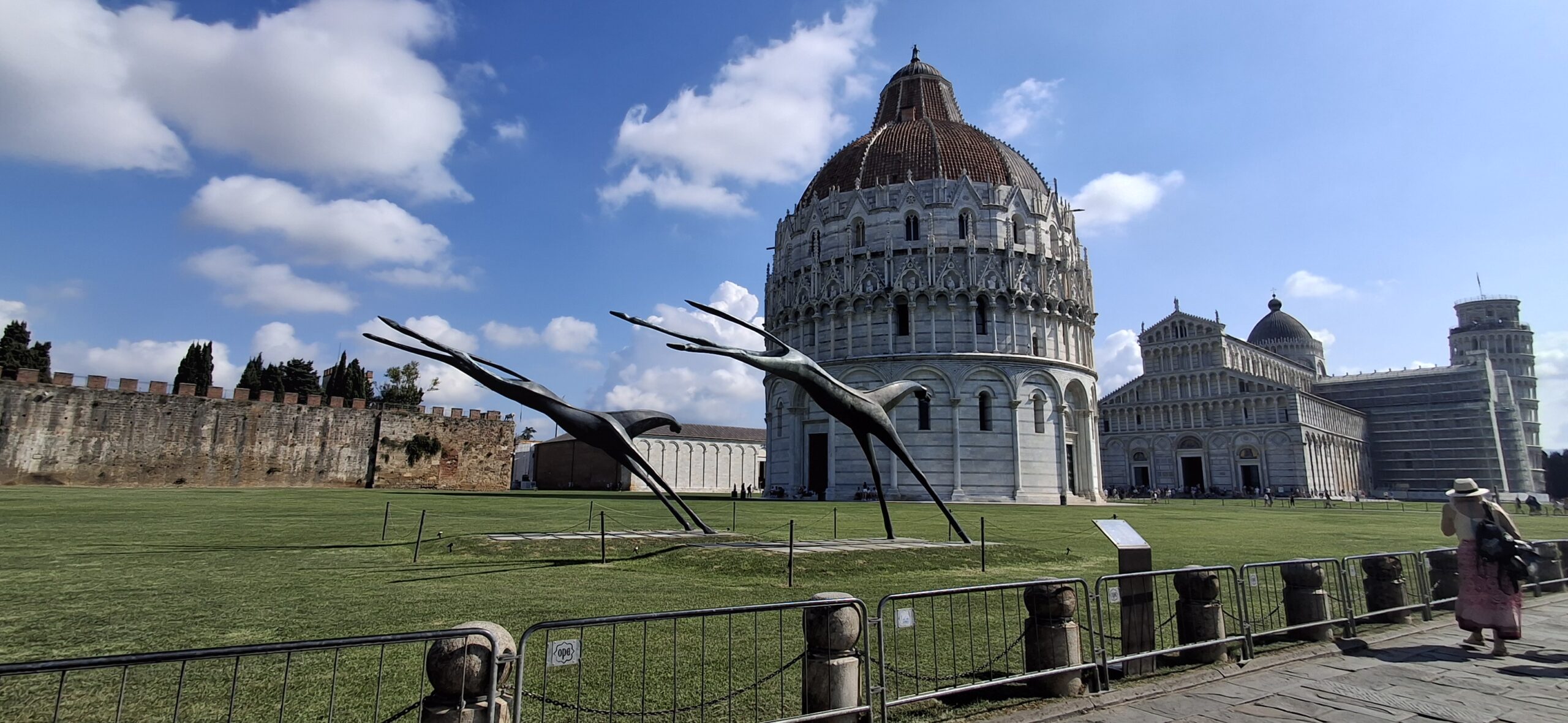
Marble unites Pisa and Carrara in a dialogue of endurance. It is the element that bridges geography and imagination, transforming raw stone into civic pride, sacred devotion, and artistic wonder. To walk through Pisa is to read a book written in marble—each façade a sentence, each shrine a pause, each courtyard a hidden footnote in the city’s living manuscript.
But most visitors never learn to read this language. They see the Leaning Tower, marvel at its tilt, and move on—never realizing they’re standing inside one of the world’s greatest marble poems. What I offer you is literacy in stone: the ability to look at Pisa’s buildings and understand not just what you’re seeing, but what it means, where it came from, why it matters.
We’ll trace marble’s journey from the Apuan Alps to the heart of Pisa—how it arrived by river and canal, how medieval artisans learned to carve light itself into its surface, how different qualities of stone were chosen for different purposes. The Duomo’s façade becomes a lesson in marble varieties. The Baptistery’s acoustics reveal what stone can do beyond the visual. Even the smaller churches—the ones tourists walk past—hold secrets in their marble details that speak of ambition, faith, and the hands that shaped them.
This is not a typical architectural tour. It’s an invitation to see Pisa as its builders saw it: as a canvas for marble’s infinite possibilities. By the end, you’ll understand why this city chose this stone, how it defined Pisan identity, and why the story of Pisa is inseparable from the story of Carrara’s mountains. And if you wish to complete this journey, the story doesn’t end here. It continues in Carrara, where the marble itself is born—standing at the source, where nature’s masterpiece begins before it travels through canals and rivers to shape Pisa’s soul.