This is probably how Roman poet Rutilius Namatianus must have felt as he beautifully captured in his 5th-century poem De reditu suo:
“Land rich in marbles, which with its light of colors sumptuously defies the immaculate snow.”
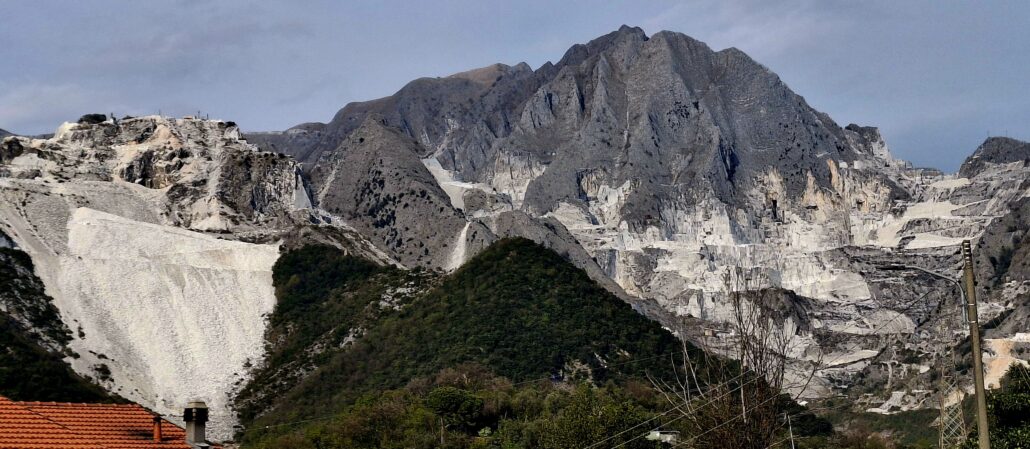
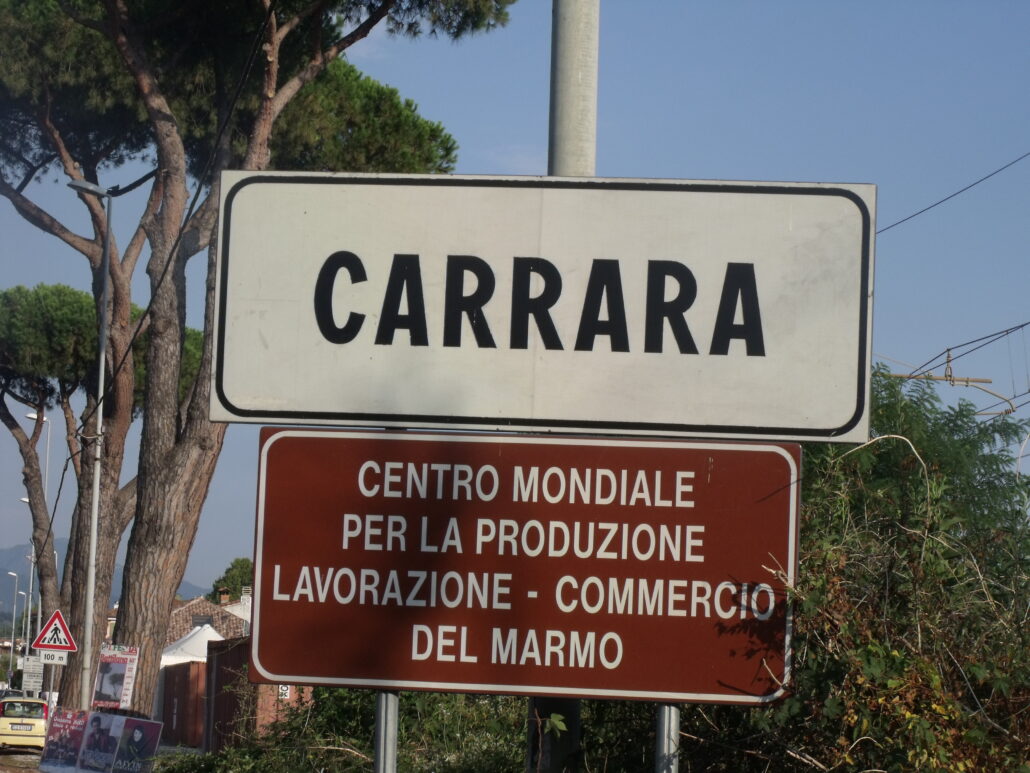
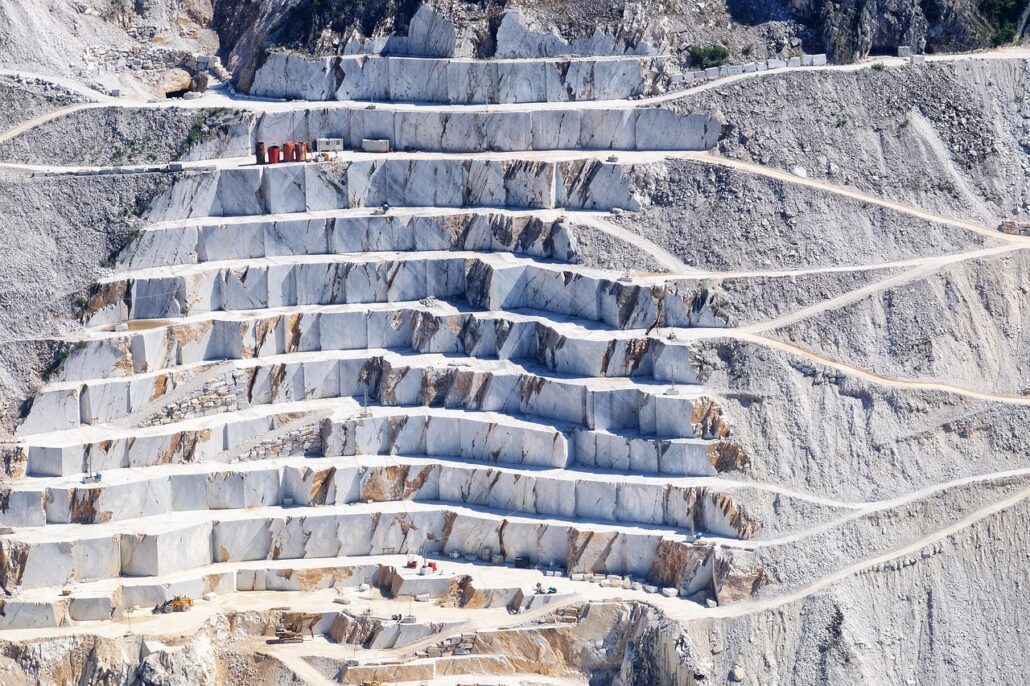
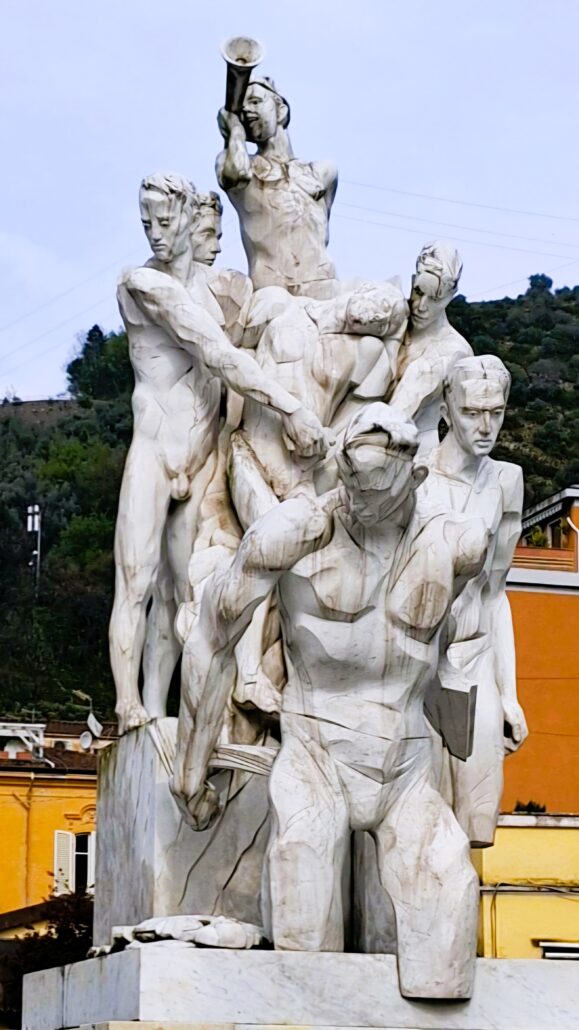
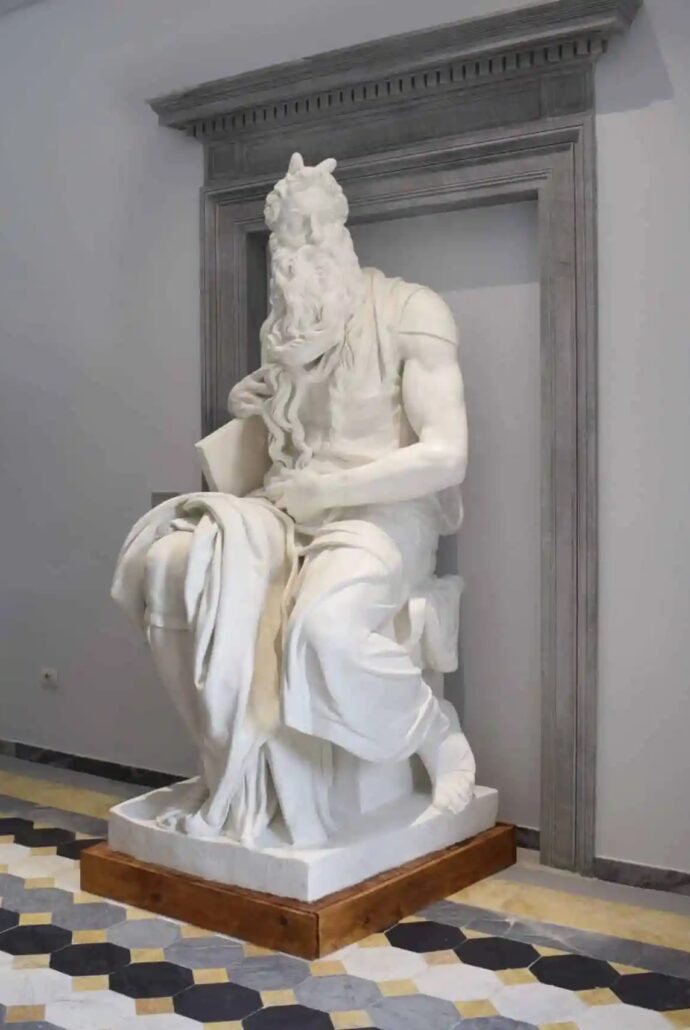
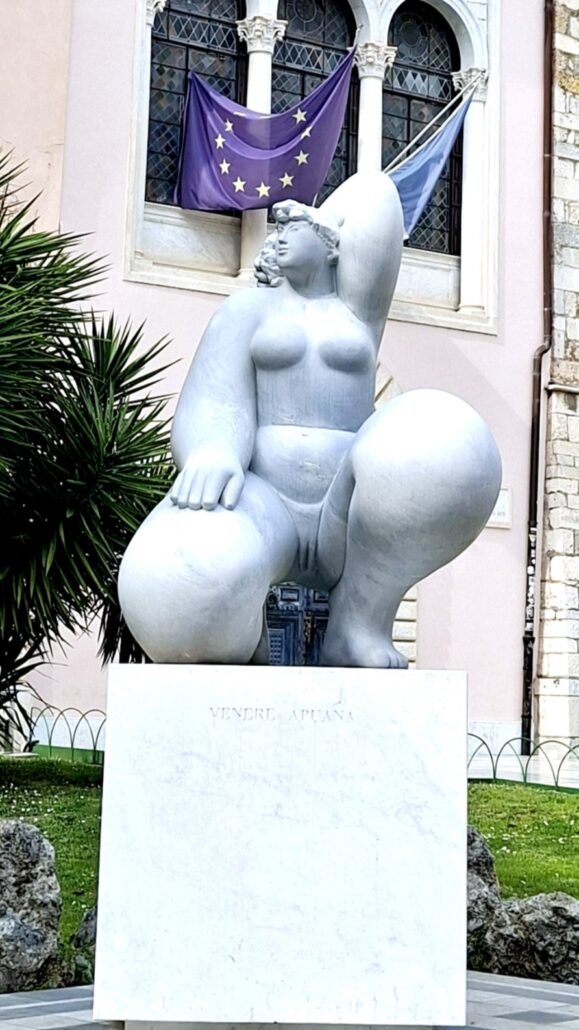
Rutilius’ journey back to Gaul took him past the ancient port of Luni, the gateway through which this “white gold” was shipped to transform Rome into a city of monuments. Today, you can still trace his path by visiting the towering quarries of Fantiscritti
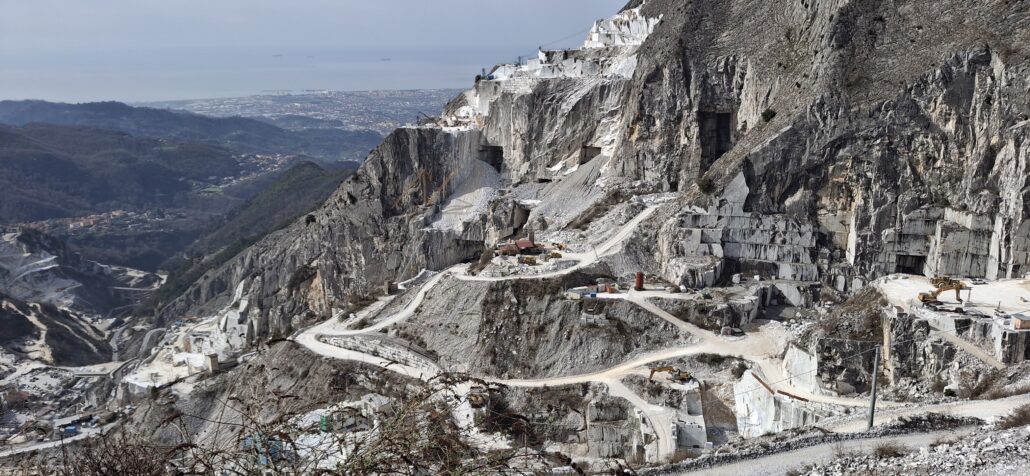
or exploring the archaeological ruins of the National Archaeological Area of Luni, where the ancient amphitheater and forum still whisper stories of a marble-clad past.

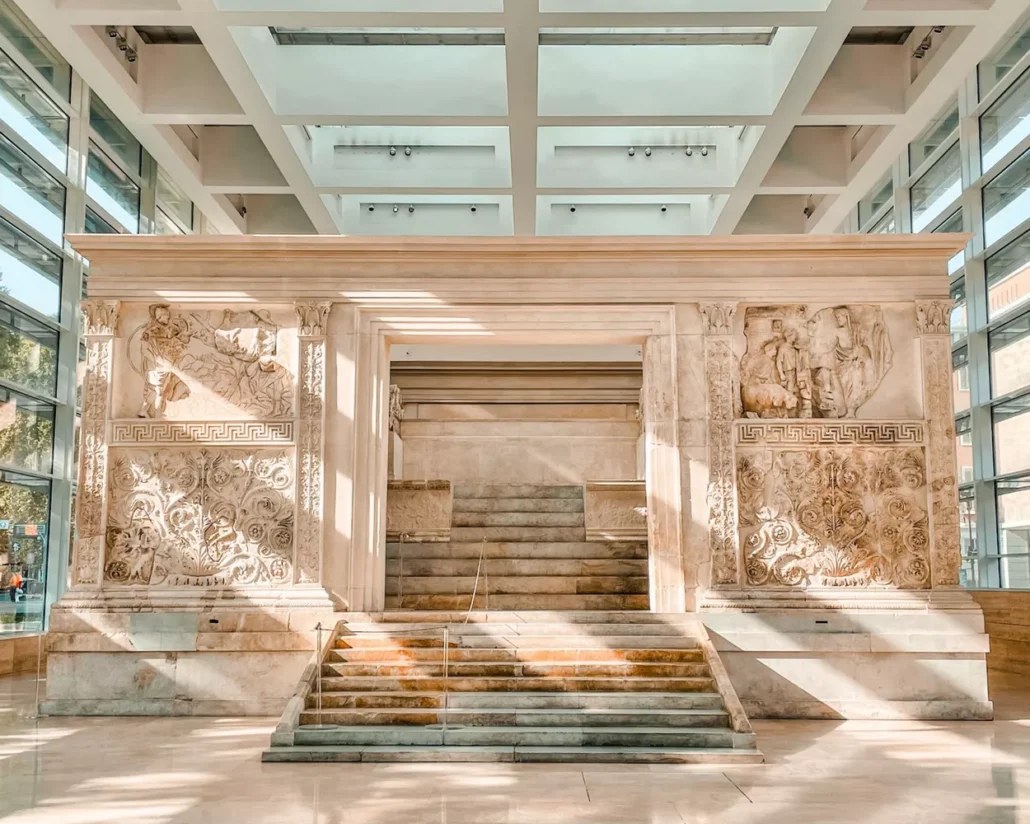
Rutilius Namatianus lived in the late 4th and early 5th centuries AD and wrote his famous poem in 417 AD, centuries after the Ara Pacis Altar was built. By the time Rutilius saw the marble of Luni (Carrara) and wrote his praise, it was already an ancient monument, Augustus “Golden Age” had passed, and one likely starting to be forgotten or even slowly buried by the silt of the Tiber River. Rutilius lived in a “twilight” era where he looked back at monuments like the Ara Pacis as symbols of a glorious, stable past that he desperately hoped to see restored.
👉 Today, his dream has finally become true!
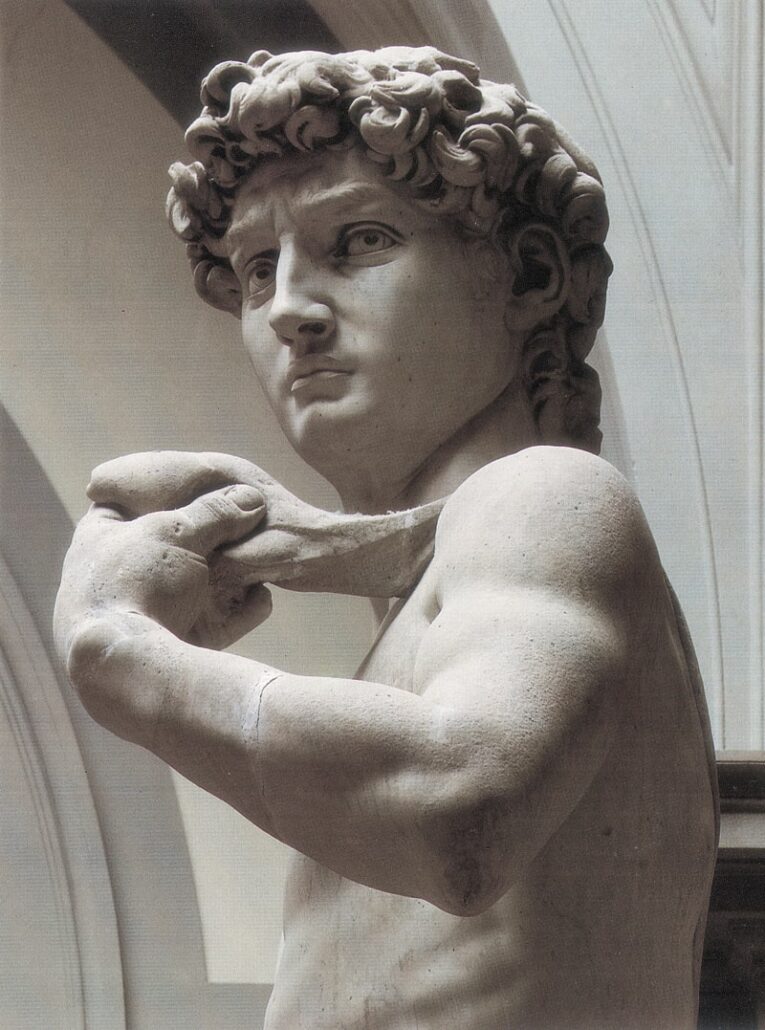
Carrara is a destination where geology and art collide—a truly marbleous experience for any history and Tuscany lover.