Pesto traces its roots back to medieval garlic-based sauces, which had replaced the ancient Roman garum, a fermented fish condiment. These early sauces were not oily, but bound with acidic elements such as verjuice, vinegar, wine, or citrus juice. Pesto marks a turning point in culinary history, as it can be considered the first sauce fully emulsified with olive oil.
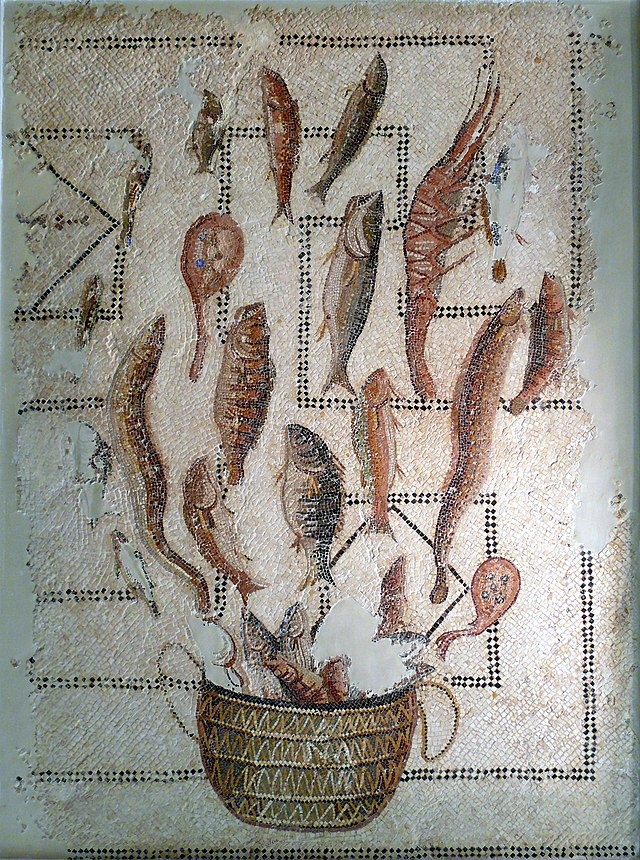
An early ancestor appears in 👉Virgil’s Bucolics, where a farmer enjoys moretum, a mixture of herbs and cheese crushed in a mortar. Similar preparations also existed in the Eastern Mediterranean, where pine nuts and cheese were used as binding agents before olive oil took on that role, together with aged cheeses like pecorino and grana.

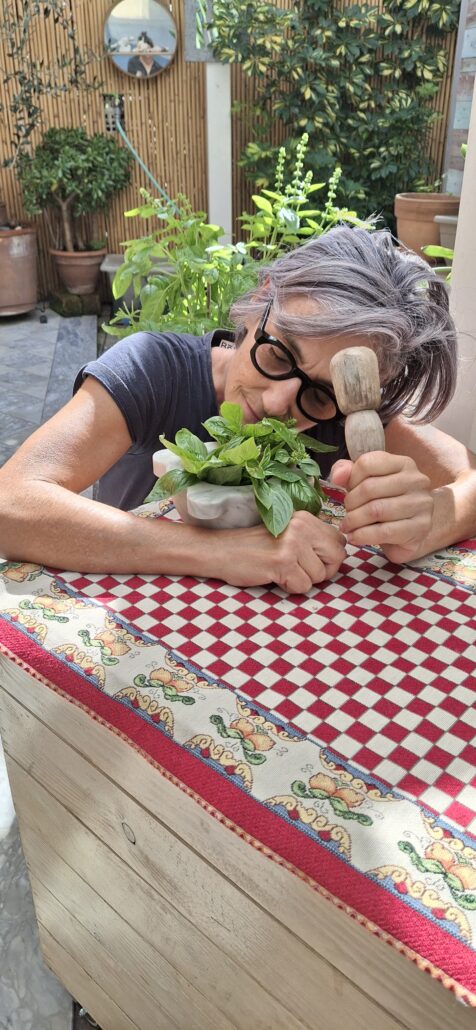
Basil 🌿 was introduced later, eventually becoming the defining ingredient. Native to Asia Minor, it found ideal conditions in Liguria, where its name—Ocimum basilicum—already declares its value as a “royal fragrance.” For centuries, basil was associated with ritual and symbolic meanings, reflected today in the traditional preparation of pesto using a marble mortar and wooden pestle, gently working the leaves to preserve their essential oils.
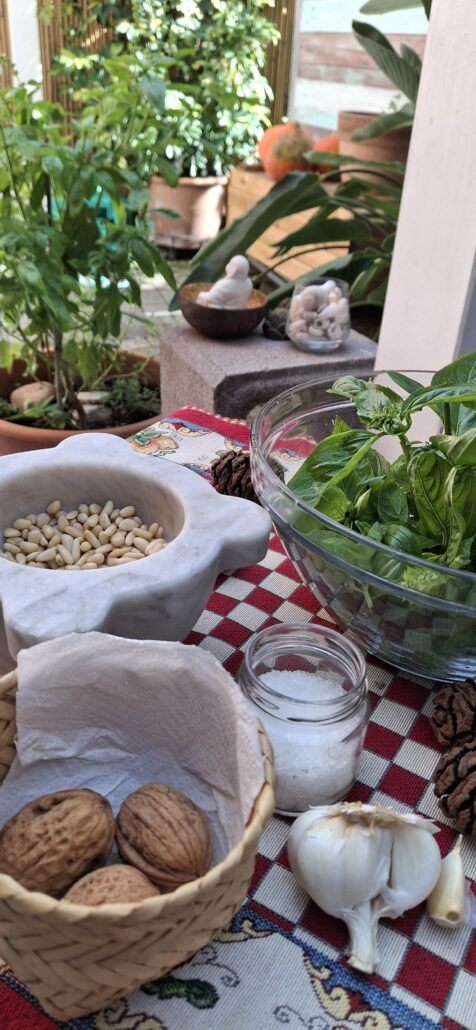

The pesto recipe as we know it today was officially recorded in 1865 in La Cuciniera Genovese. While many modern versions reduce garlic for easier digestion, too much restraint risks diminishing the bold character of this iconic sauce.
Go to 👉 the next post to discover how we in Carrara make pesto, and try making it yourself!