Marbleous Pisa

From Carrara’s veins to Pisa’s heart:
marble as the common denominator of identity.

Marble unites Pisa and Carrara in a dialogue of endurance. It is the element that bridges geography and imagination, transforming raw stone into civic pride, sacred devotion, and artistic wonder. To walk through Pisa is to read a book written in marble—each façade a sentence, each shrine a pause, each courtyard a hidden footnote in the city’s living manuscript.

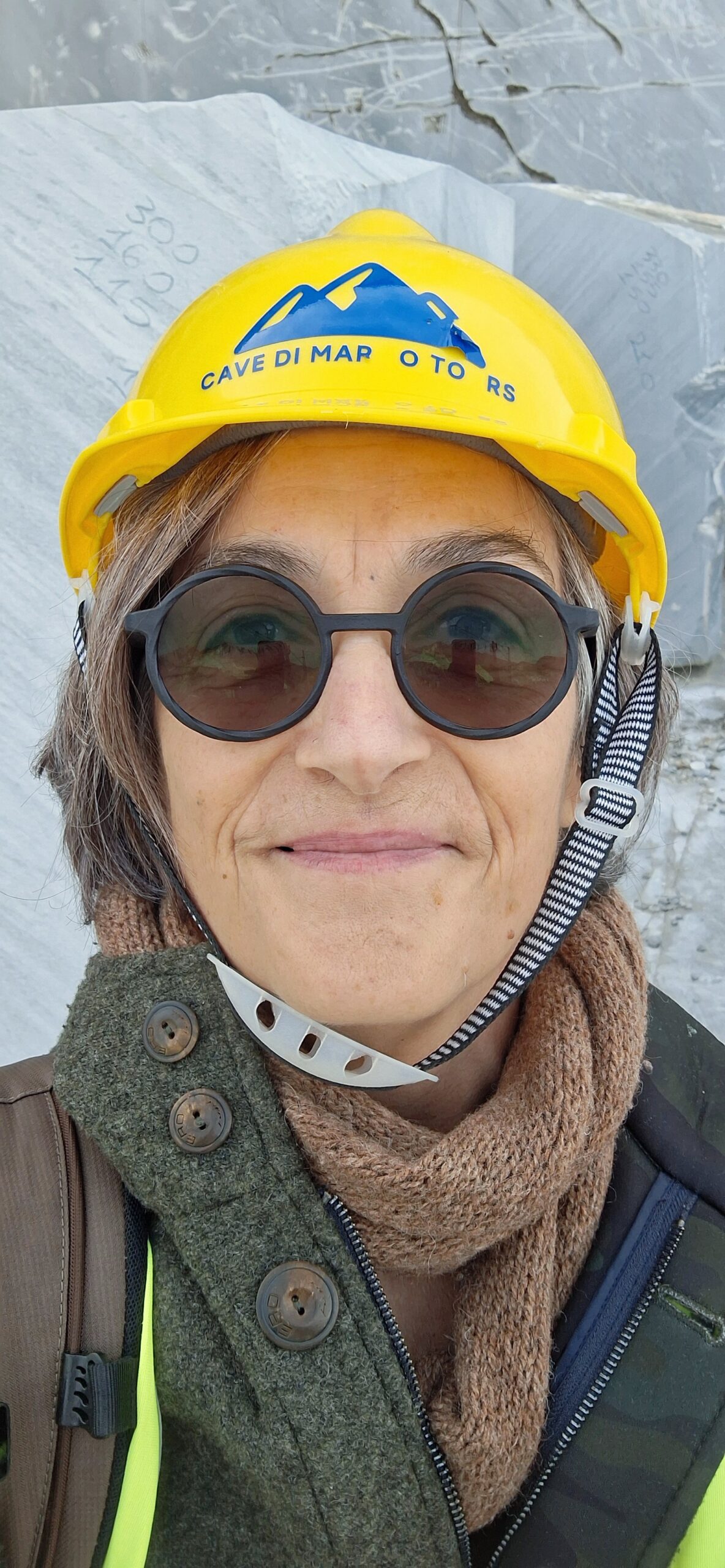
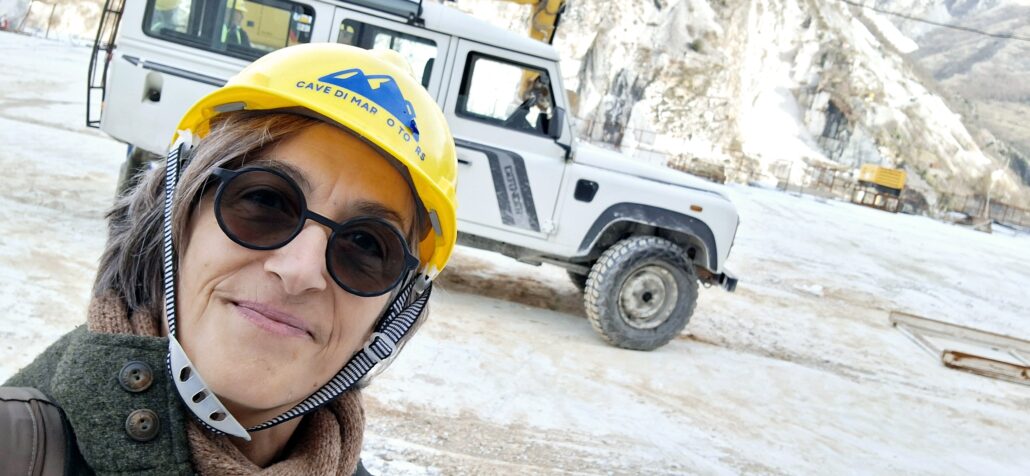
I like to call myself a marbleous city host. Why? Because living in nearby Carrara, where marble is not just stone but heritage, identity, and poetry, has taught me to observe and to enjoy things using a very special lens, that of art.
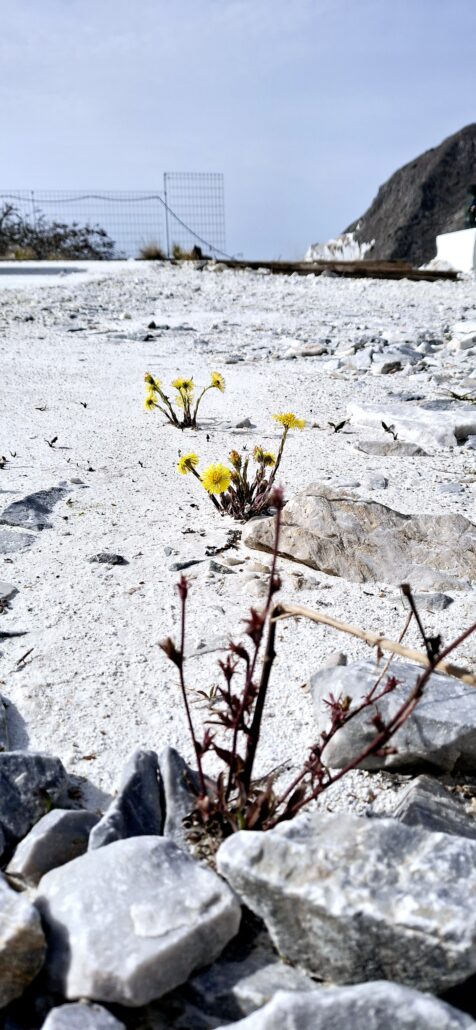
Unlike my colleagues, who will describe monuments as finished masterpieces, I insist on revealing the raw material itself—the veins of marble, the living rock—that is the true work of art. For me, every façade, every column, every shrine is a story carved in stone, and that is the marbleous aspect I want you to see.

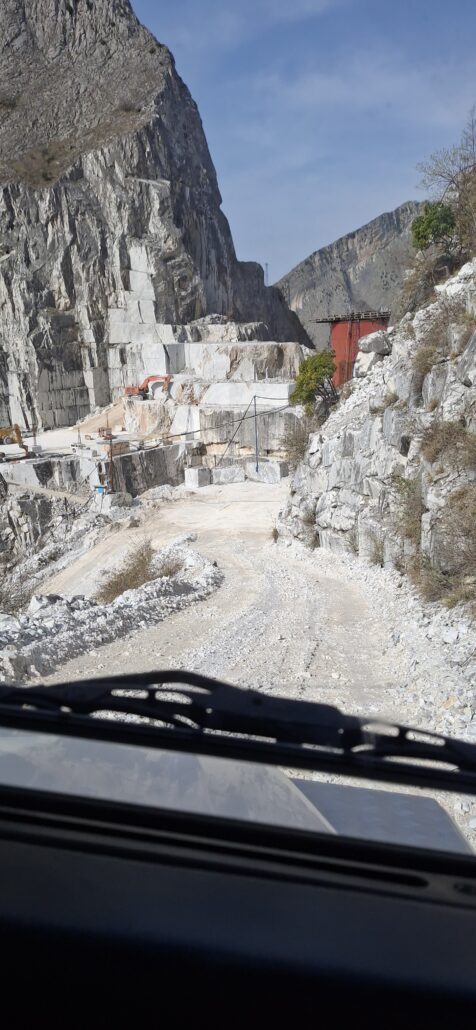
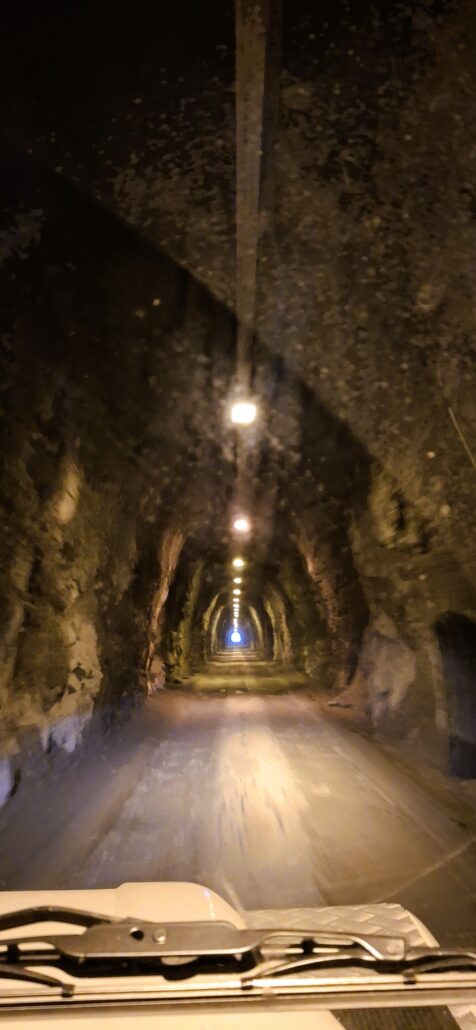
So, if you wish to complete this journey, the story doesn’t end in Pisa. It continues in Carrara, where the marble itself is born. A 3–4 hour visit to the quarries offers the perfect finale—standing at the source, where nature’s masterpiece begins before it
travels through canals and rivers to shape Pisa’s soul.

Sometimes being a little ‘off balance’
isn’t such a bad thing, is it ?

Pisa lends itself beautifully to this idea of imbalance as destiny rather than flaw.

(testo riferito alla foto dei Flying Horses)
Their origin is unknown, as is their destination.
The flying horses are caught mid-flight, suspended as they traverse from one world to another, moving through space and time with no promise of arrival. In looking at them, we are asked to loosen our grip on certainty, to accept the unknown—and with it, the most radical form of bravery: accepting the unreality of reality itself. These creatures cannot be fully possessed by the eye or the mind; they are less a body than a sensation.

They are unbalanced. And so is Pisa.

A few steps away lies Icarus, fallen, his body stretched at the feet of the Leaning Tower—a quiet reminder that daring has consequences, and that gravity always has a say. Nearby, the Tower itself leans still, defying both expectation and time. Along with it stand other tilted, imperfect towers scattered through the city, each bearing the mark of imbalance not as a failure, but as a signature.

For centuries, Pisa was mocked by the artistic and intellectual world for a tower thought to be forever on the brink of collapse. A mistake, a miscalculation, a city defined by an error. And yet, nearly a thousand years later, that same tower remains standing—one of the most recognizable architectural icons in the world, admired precisely because it refuses to be corrected into normality.

Pisa teaches us that balance is not always vertical, that stability can exist within deviation, and that beauty often reveals itself where symmetry breaks down. Like the flying horses, like Icarus, like its leaning towers, Pisa exists in a state of suspended motion—forever slightly off, forever compelling.

To visit Pisa is to enter a city that has learned to live with its tilt, and in doing so, has turned imbalance into identity.

Welcome to Pisa.
Served slightly askew.

    Lascia un commento

    Il tuo indirizzo email non sarà pubblicato. I campi obbligatori sono contrassegnati *